Closing a luxury home in the Middle Keys runs from the signed contract through deposit, title search, inspections, survey, financing or proof of funds, and a final review of the closing statement. Then comes signing, funding, and recording with the Monroe County Clerk. Waterfront improvements like seawalls and docks add diligence.
How does the closing process work for luxury homes in the Middle Keys?
A luxury closing in the Middle Keys follows the same backbone as any Florida purchase: executed contract, deposit, title work, inspections, financing or proof of funds, closing statement review, signing, funding, and recording. What changes is the depth of diligence. Seawalls, docks, boat lifts, flood-risk underwriting, and entity ownership add steps that a standard purchase never touches, and each one can move your closing date.
Key Takeaways
Marathon homes sold over the trailing 90 days (as of October 2026) had a median sale price of $1,032,500 across 86 sales, so most luxury purchases price above that area-level median.
As of October 2026, 255 homes are for sale in Marathon, which gives luxury buyers real choice but also means diligence, not speed, decides which deals close cleanly.
Florida's documentary stamp tax on a deed outside Miami-Dade County, including Monroe County, is $0.70 per $100 of consideration, and who bears the cost is a contract negotiation.
A waterfront luxury home needs two reviews: the house itself, and the seawall, dock, boat lift, and permits that come with it.
Closing timelines depend on cash versus financing, title condition, survey, and insurance underwriting, so any fixed "typical" number should make you skeptical.
When we say the Middle Keys, we mean Marathon, Key Colony Beach, Duck Key, and the islands around them. Market reports slice these areas differently by municipality and ZIP code, so check how a report defines its boundaries before you compare numbers. The Marathon and Lower Keys Association of Realtors market reports are a good place to see how local data is organized.
What happens between an accepted offer and closing on a Middle Keys luxury home?
You move through eight stages: contract, deposit, title, inspections, survey, lending or proof of funds, closing statement review, and signing through recording. Some run at the same time, but each has to be cleared before the deed records.
For orientation, here are area-level medians from recent local market data. Your home's value depends on its condition, street, build year, and timing, and a luxury waterfront estate will not track a median.
Source: aggregated public listing data, trailing 90 days, as of October 2026.
Area | Median Sale Price |
Marathon $1,032,500
Key Colony Beach $995,000
Islamorada $900,000
Here is the sequence we walk our clients through:
Executed Florida purchase contract. The signed contract sets your deadlines, contingencies, and who the closing agent is.
Deposit to the escrow holder. The contract names the escrow holder. Deliver the deposit on time, because a missed deadline can put you in default.
Title search. The closing agent or title company looks for liens, judgments, ownership issues, and unreleased mortgages. Anything found has to be resolved before closing.
Inspections. Structural, roof, electrical, plumbing, pool, and storm-related evaluations, plus the seawall and dock where they apply.
Survey and flood review. Where applicable, the survey and flood-zone, elevation, and access questions get reviewed before you commit.
Lending or proof of funds. Financed purchases go through underwriting and appraisal. Cash purchases need proof of funds and, if you buy through an entity, entity documentation.
Closing statement review. You review the title commitment, permitted exceptions, insurance arrangements, prorations, and the closing statement line by line.
Signing, funding, recording, possession. Once funds are in and the deed is recorded, possession transfers as the contract specifies.
In Florida, the closing agent handles settlement and holds the funds. They are not an afterthought, so ask who the contract names and how to reach them well before closing week.
Where the listing and contract timeline fits
Market-level activity gives you context for negotiating. Recent local market data shows 38 new listings in Marathon over the last 30 days, against 255 homes for sale now. That supply means you can afford to build real diligence time into your contract instead of waiving it to compete.
What waterfront diligence belongs in a Middle Keys luxury closing?
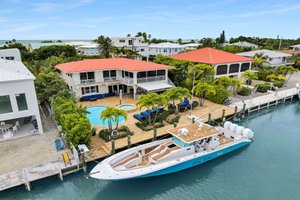
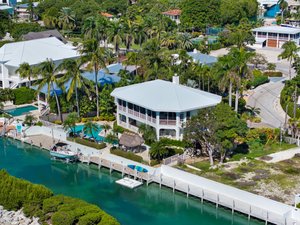
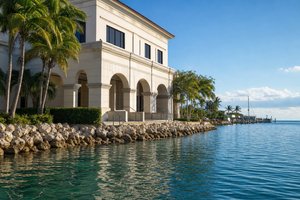
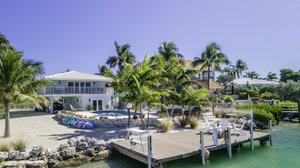
Review the house and its waterfront improvements as two separate assets. Seawalls, docks, boat lifts, riparian or littoral rights, permits, canal access, storm damage, and flood insurance can each affect value, financing, and insurability.
We give a luxury waterfront asset diligence matched to that asset, not a template built for a condo or a three-bedroom inland home. That means asking questions like these:
What is the condition of the seawall and dock, and who can evaluate them?
Were the dock, boat lift, and other improvements properly authorized and permitted?
What does the survey show about elevation, access, and the property line at the water?
What will flood and wind coverage look like, and how does that affect your lender's requirements if you finance?
Has the property sustained storm damage, and was it repaired with permits?
These issues are property-specific. A canal-front home in Marathon, a Gulf-side estate in Duck Key, and an oceanfront property in Islamorada can each raise different questions, and none of them is a universal requirement. We recommend you speak with your insurer or a flood-insurance professional early, since coverage and cost depend on the specific property.
If you're still narrowing down which homes deserve this level of diligence, you can browse our featured Duck Key property listings and then ask us what we'd want to verify on any of them before you write an offer.
How are documentary stamp tax and recording handled in Monroe County?
Florida law imposes the documentary stamp tax on a deed in Monroe County at $0.70 per $100, or fraction thereof, of consideration. Your closing agent collects and pays it before recording.
The tax is imposed by Florida Statutes section 201.02. We won't run that rate against a sample price here. Your closing statement will show the actual figure for your transaction.
Who pays it?
Legal liability and who bears the cost in your deal are separate questions. The Department of Revenue's guidance on liability says any party to a taxable document, including the transferor or transferee on a deed, can be liable unless exempt. The purchase agreement can allocate the cost differently, and it's commonly negotiated. Confirm how your contract handles it before you sign.
What about the mortgage?
If you finance, documentary stamp tax also applies to the mortgage or other evidence of indebtedness, based on the secured obligation, as the Department of Revenue's materials explain. That is separate from the deed tax. The department has also moved payment to an electronic filing and payment system, but that is an administrative change and your closing agent handles it.
Recording the deed
Monroe County identifies the Clerk of the Court as the custodian of deeds and other public records. Your closing agent should verify current recording requirements, fees, and submission procedures directly with the Clerk, because administrative requirements can change.
What delays a Middle Keys luxury closing, and do cash purchases close differently?
Delays almost always come from title problems, survey or permit questions, insurance underwriting, or paperwork on the buyer's side. Cash purchases skip underwriting and the appraisal, but they don't skip title, inspections, or survey.
These are the usual causes we see slow a closing:
Title issues: unreleased mortgages, liens, judgments, or ownership questions that take time to clear.
Waterfront permit gaps: a dock, lift, or seawall repair without clear authorization.
Insurance and flood underwriting: coverage that takes longer to bind or costs more than you expected, which can affect a lender's conditions.
Entity ownership: LLCs or trusts that need documentation before the closing agent can proceed.
Remote parties: signing logistics when the buyer or seller is out of state.
Appraisal or lender conditions: on financed purchases, items that surface late in underwriting.
We don't publish a fixed "typical" closing period for the Middle Keys. Your timeline depends on the points above, and the honest answer comes from the contract dates and the specific property. That is the kind of question we walk our clients through before they make an offer. If you want to see how your target property would run, schedule a consultation with our team and we'll map the closing for that home.
You can read what our clients say in our Google reviews.
FAQ
What happens between an accepted offer and closing on a luxury home in the Middle Keys?
You move through deposit, title search, inspections, survey, lending or proof of funds, and closing statement review. Waterfront homes add seawall, dock, and permit checks. Once everything clears, you sign, funds are delivered, and the deed is recorded with the Monroe County Clerk.
How long does a luxury-home closing usually take in Marathon, Key Colony Beach, or the surrounding Middle Keys?
There isn't one reliable number, because timing depends on cash versus financing, title condition, survey, insurance and flood-risk underwriting, and entity ownership. The contract sets your deadlines, and we build them around the specific property rather than a generic estimate.
Who chooses the title company or closing agent in a Florida Keys purchase?
The purchase contract names the closing agent, and who selects the title company can be a negotiated term. Check that provision in your contract before you sign. We talk through your options with you before you make an offer.
Do cash purchases of luxury homes close differently from financed purchases?
Yes, but not by skipping steps. A cash buyer avoids underwriting and the appraisal, but still needs proof of funds, entity documentation if buying through an LLC or trust, a title search, and inspections. A financed buyer adds lender conditions, which can add time.
What should an out-of-state buyer arrange before closing in the Florida Keys?
Talk to the closing agent early about signing logistics, proof of funds or lender requirements, and any entity documents. Also speak with your insurer or flood-insurance professional before your deadlines, since coverage is property-specific. We coordinate these pieces with the closing agent so there are no surprises in the final week.
A luxury closing in the Middle Keys goes smoothly when you treat the waterfront improvements, title, and insurance as separate workstreams from day one. That's what we do for our clients: lay out the sequence, flag the property-specific risks, and keep the timeline honest. Schedule a consultation and we'll walk through your target home step by step.
About The Brenner Scheel and Casey Team
Kristen Brenner, with Tierce Scheel and Margie Casey, leads The Brenner Scheel and Casey Team, the #1 selling team on Duck Key and Certified Luxury Home Marketing Specialists with over $700 million in closed sales. Duck Key Realty, founded by the Brenner family in 1977, serves buyers and sellers from Key Largo to Key West from its home office on the Overseas Highway in the Middle Keys.
Duck Key Realty | Florida Keys Real Estate Group · 305-783-3395
Equal Housing Opportunity. Kristen Brenner, Broker / Owner, Duck Key Realty | Florida Keys Real Estate Group. This article is general information, not legal, tax, or financial advice. Confirm your own numbers with your closing agent, tax advisor, or lender.